The Importance of Vaccination in Preventing Infectious Diseases
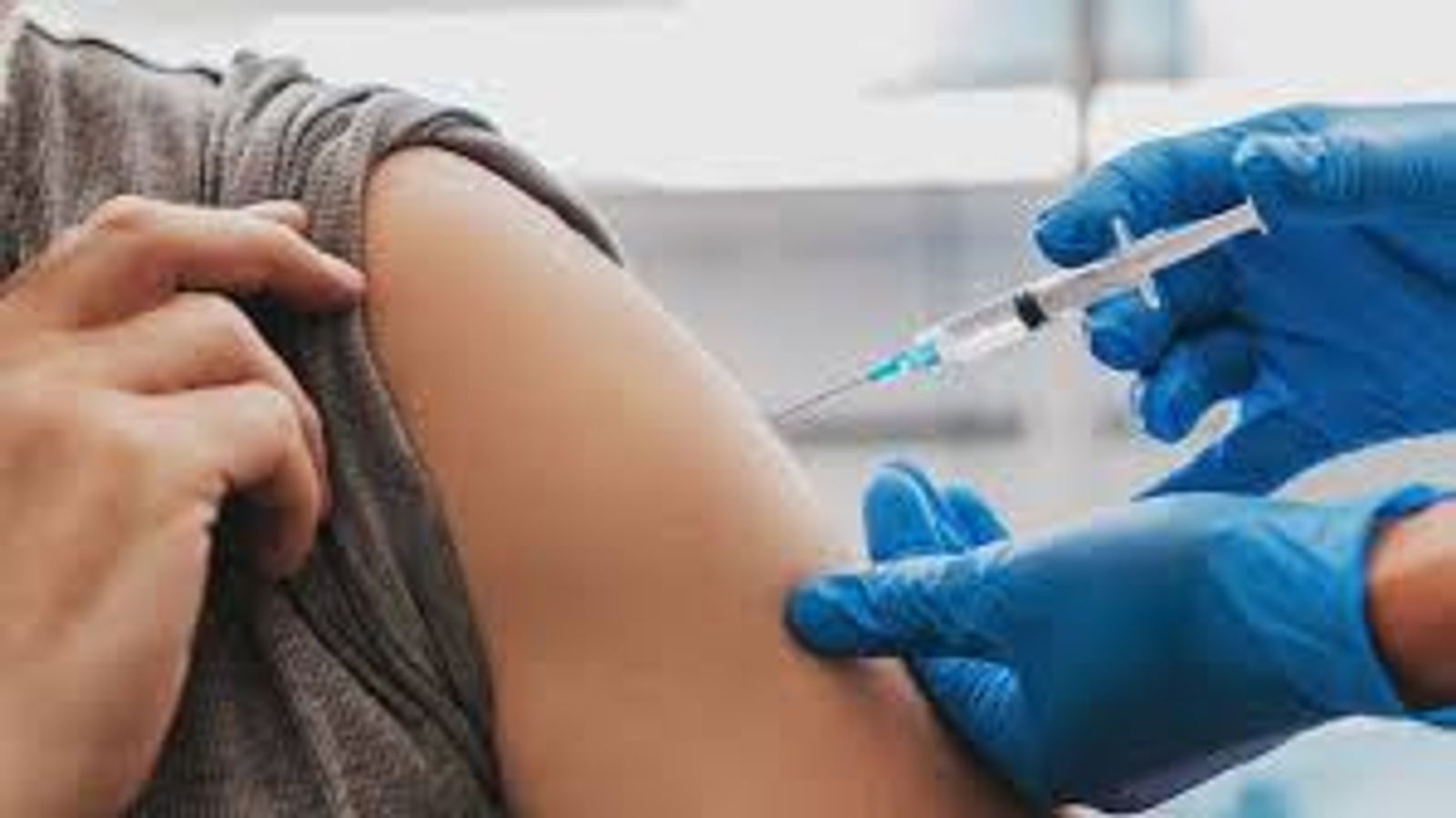
Vaccination is one of the most effective public health measures ever developed. Vaccines train the immune system to recognize and fight harmful pathogens before they cause serious illness.
Diseases such as Measles, Polio, and COVID-19 have been significantly reduced or controlled through widespread immunization programs.
How Vaccines Work
Vaccines introduce a weakened or inactive form of a pathogen (or a piece of it) into the body. This stimulates the immune system to produce antibodies without causing the disease itself.
Community Immunity
When a large portion of the population is vaccinated, herd immunity protects vulnerable individuals who cannot receive certain vaccines, such as infants or immunocompromised patients.
Staying up to date with recommended immunizations protects not only individuals but entire communities.